In California, unlawful sexual intercourse is defined as any sexual act between an adult and a person under the age of 18, regardless of whether the minor appears to consent. The state sets the age of consent at 18, meaning anyone younger than that cannot legally agree to sexual activity under California law. Even if both parties are minors, or if the relationship seems consensual, the law treats such acts as statutory rape if one participant is under 18 and the other is an adult. This legal standard is strict and applies across all forms of sexual contact, including vaginal, anal, or oral intercourse. The law does not require proof of force or lack of consent—simply the age difference and occurrence of sexual activity are enough to trigger criminal liability.
California Penal Code 261.5 specifically governs unlawful sexual intercourse with a minor. The statute makes it a crime for any person to engage in sexual intercourse with a minor who is not their spouse. The law applies even if the minor says “yes” or initiates the act. The state’s approach reflects a strong policy to protect minors from exploitation, especially given statistical concerns about teen pregnancy and adult-minor relationships. In many cases, the adult is significantly older, which increases the risk of coercion or imbalance in power. As a result, California does not recognize “mistake of age” as a full defense, though it may reduce penalties in certain circumstances. The law is designed to prevent harm, not punish consensual peer relationships, which is why close-in-age exceptions exist.
Legal Definition of Unlawful Sexual Intercourse Under California Law
California defines unlawful sexual intercourse primarily through Penal Code 261.5, which criminalizes sexual activity between an adult and a minor. The law does not require proof of force, deception, or lack of consent. Instead, it hinges on the age of the participants. If one person is under 18 and the other is 18 or older, the act is automatically unlawful, even if both parties willingly participate. This is known as statutory rape, a strict liability offense. The state treats all minors under 18 as legally incapable of consenting to sex, regardless of maturity or appearance. The law applies to all forms of penetration, including vaginal, anal, and oral sex. It also covers attempted acts and sexual battery involving minors.
Statutory Rape and Strict Liability
Statutory rape in California is a strict liability crime, meaning intent or knowledge of the minor’s age is not required for conviction. If an adult engages in sexual intercourse with someone under 18, they can be charged regardless of whether they believed the minor was older. This principle protects minors from exploitation by removing ambiguity around consent. The law assumes that adults should know better and take responsibility for verifying age. Even if the minor lies about their age or presents fake identification, the adult can still be held criminally liable. However, in some cases, a good-faith belief that the minor was over 18 may be used to reduce sentencing, though it does not dismiss the charge.
- No requirement to prove lack of consent
- Applies even if the minor initiated the relationship
- Belief in the minor’s age is not a full defense
- Covers all forms of sexual penetration
Penal Code 261.5: Key Provisions
Penal Code 261.5 is the central statute governing unlawful sexual intercourse with minors in California. It defines the crime as an adult engaging in sexual intercourse with a minor who is not their spouse. The law distinguishes between different age gaps to determine severity. For example, if the minor is under 16 and the adult is 21 or older, the offense is automatically a felony. The code also outlines sentencing guidelines, which range from misdemeanor to felony based on the age difference. The law applies regardless of gender or sexual orientation, ensuring equal protection under the statute. It also includes provisions for repeat offenders, who face enhanced penalties.
| Minor’s Age | Adult’s Age | Charge Level |
| Under 16 | 21 or older | Felony |
| 16 or 17 | 21 or older | Felony |
| 16 or 17 | 18–20 | Misdemeanor or Felony |
Forms of Sexual Activity Covered
The law covers a broad range of sexual acts under the term “unlawful sexual intercourse.” This includes vaginal intercourse, anal intercourse, and oral copulation. The definition extends to any penetration, however slight, by a sexual organ or foreign object. Even non-penetrative acts like sexual battery or fondling may be charged under related statutes if they involve a minor. The key factor is the age of the participants, not the type of act. All such acts are treated as unlawful if one party is under 18 and the other is an adult. The law does not distinguish between heterosexual and homosexual acts—both are equally prohibited when a minor is involved.
- Vaginal intercourse
- Anal intercourse
- Oral copulation
- Penetration by a foreign object
- Sexual battery involving a minor
Age of Consent and Legal Capacity in California
California sets the age of consent at 18 years old. This means that individuals under 18 cannot legally consent to sexual activity, regardless of their maturity, appearance, or willingness. The law treats all minors as incapable of giving valid consent, even if they are 17 and the adult is only 19. This standard is designed to protect young people from exploitation, coercion, and abuse. The state recognizes that minors may not fully understand the emotional, physical, or legal consequences of sexual relationships with adults. As a result, the law removes the possibility of consent as a defense in statutory rape cases. The age of consent applies uniformly across all sexual acts and does not vary by gender, sexual orientation, or marital status.
Legal Age for Sexual Activity
The legal age for sexual activity in California is 18. Anyone younger than 18 is considered a minor and cannot legally consent to sex. This applies to all forms of sexual contact, including intercourse, oral sex, and sexual battery. The law does not allow for exceptions based on relationship status, such as dating or engagement, unless the minor is legally married. Even then, marriage does not automatically grant consent if the minor is under 18, though some exceptions exist for minors married with court approval. The age of consent is fixed and does not change based on local customs, cultural practices, or personal beliefs. It is a statewide standard enforced by criminal law.
- Age of consent: 18 years
- Applies to all sexual acts
- No consent possible under 18
- Marriage does not override the rule unless court-approved
Age of Majority and Its Legal Implications
The age of majority in California is 18, which is when a person gains full legal rights and responsibilities. Until that age, individuals are considered minors and are under the protection of the state. This includes protection from sexual exploitation. The age of majority aligns with the age of consent, reinforcing the idea that only adults can legally engage in sexual relationships. Once a person turns 18, they can consent to sex, enter contracts, and make independent legal decisions. However, even after turning 18, individuals must still comply with other laws, such as those prohibiting incest or sexual acts with minors in positions of authority. The law draws a clear line at 18 to simplify enforcement and protect vulnerable populations.
Exceptions Based on Marital Status
In rare cases, marriage can affect the application of statutory rape laws. If a minor is legally married to an adult, sexual intercourse between them is not considered unlawful under Penal Code 261.5. However, California law requires court approval for minors to marry, and such marriages are highly restricted. Minors under 16 cannot marry under any circumstances. Those aged 16 or 17 may marry only with parental consent and a court order, which is rarely granted. Even in these cases, the marriage must be legally recognized. If the marriage is invalid or not court-approved, the sexual act remains unlawful. This exception is narrow and does not apply to dating relationships or informal partnerships.
- Marriage must be legally recognized
- Court approval required for minors
- No marriage allowed under age 16
- Exception does not apply to dating or cohabitation
Close-in-Age Exceptions and Romeo and Juliet Laws
California has a limited close-in-age exception, often referred to as a “Romeo and Juliet law,” which reduces penalties when both parties are minors or close in age. This law recognizes that teenage relationships are common and should not always result in lifelong criminal records. Under Penal Code 261.5(d), if the minor is at least 14 years old and the adult is no more than three years older, the offense may be charged as a misdemeanor instead of a felony. This exception applies only when the age difference is three years or less, and the minor is 14 or older. It does not legalize the act but reduces the severity of punishment. The law aims to balance protection with fairness, especially for peer relationships.
Age Gap Requirements for Reduced Charges
To qualify for the close-in-age exception, the minor must be at least 14 years old, and the adult must be no more than three years older. For example, a 17-year-old and a 19-year-old would qualify, but a 16-year-old and a 20-year-old would not. The exception applies only to unlawful sexual intercourse charges under Penal Code 261.5. It does not apply to other sexual offenses, such as sexual battery or lewd acts with a child. The court has discretion in applying the exception and may still impose felony charges if aggravating factors exist, such as coercion or abuse of authority. The law is designed to prevent harsh penalties for consensual teen relationships while maintaining strong protections for younger minors.
| Minor’s Age | Adult’s Age |
| 14 or 15 | |
| 16 or 17 |
Limitations of the Romeo and Juliet Law
California’s close-in-age exception has strict limitations. It does not apply if the minor is under 14, regardless of the age gap. It also does not apply if the adult is in a position of trust, such as a teacher, coach, or guardian. In such cases, even a small age difference does not reduce the charge. The exception is also unavailable if the act involved force, threat, or fraud. Additionally, the law does not prevent registration as a sex offender in all cases—some misdemeanor convictions still require registration. The exception is narrowly tailored to avoid undermining the state’s goal of protecting minors from exploitation. It is not a blanket defense and does not make the act legal.
- Does not apply to minors under 14
- No protection for adults in positions of authority
- Does not apply if force or fraud was involved
- May still require sex offender registration
Impact on Sentencing and Registration
When the close-in-age exception applies, the charge may be reduced from a felony to a misdemeanor. This can significantly impact sentencing, probation, and the requirement to register as a sex offender. Misdemeanor convictions typically carry shorter jail terms, lower fines, and less severe long-term consequences. However, even misdemeanor convictions for unlawful sexual intercourse may require registration under California’s sex offender registry, depending on the specifics of the case. The court evaluates factors such as the nature of the act, the relationship between the parties, and prior criminal history. The goal is to impose appropriate punishment without unnecessarily harming the future of young adults in consensual relationships.
- Felony reduced to misdemeanor
- Shorter jail terms possible
- Probation more likely
- Sex offender registration may still apply
Criminal Penalties and Legal Consequences
The penalties for unlawful sexual intercourse in California vary based on the ages of the participants and the circumstances of the act. Penalties range from misdemeanor charges with short jail terms to felony convictions with long prison sentences and mandatory sex offender registration. The law imposes harsher penalties when the minor is younger or when the adult is significantly older. Repeat offenses also lead to enhanced sentencing. In addition to criminal penalties, convictions can affect employment, housing, education, and civil rights. The consequences are designed to deter exploitation and protect minors, but they can also have lasting impacts on the lives of those convicted.
Misdemeanor vs. Felony Classifications
Unlawful sexual intercourse is classified as either a misdemeanor or a felony under California law. A misdemeanor typically applies when the minor is 16 or 17, and the adult is no more than three years older. Penalties include up to one year in county jail and a fine of up to $1,000. A felony applies in more serious cases, such as when the minor is under 16 or the adult is 21 or older. Felony penalties can include 16 months to 4 years in state prison, higher fines, and mandatory sex offender registration. The classification depends on the age difference and the specific facts of the case. The court has discretion in sentencing within these guidelines.
- Misdemeanor: up to 1 year in jail, $1,000 fine
- Felony: 16 months to 4 years in prison
- Higher fines for felonies
- Mandatory registration for some felonies
Sentencing Guidelines by Age Difference
California uses a tiered sentencing system based on the age of the minor and the age of the adult. If the minor is under 16 and the adult is 21 or older, the offense is automatically a felony with a sentence of 3 to 8 years in prison. If the minor is 16 or 17 and the adult is 21 or older, the sentence ranges from 16 months to 4 years. For smaller age gaps, such as a 17-year-old and an 18-year-old, the charge may be a misdemeanor with probation and no jail time. The court considers aggravating factors like prior convictions, use of force, or abuse of authority. Mitigating factors, such as a close-in-age relationship, may reduce the sentence.
| Minor’s Age | Adult’s Age | Sentence Range |
| Under 16 | 21 or older | 3–8 years in prison |
| 16 or 17 | 21 or older | 16 months–4 years |
| 16 or 17 | 18–20 | Misdemeanor or up to 4 years |
Sex Offender Registration Requirements
Conviction for unlawful sexual intercourse may require registration as a sex offender under California’s Megan’s Law. The level of registration depends on the severity of the offense. Tier 1 offenders must register for 15 years, Tier 2 for 25 years, and Tier 3 for life. Felony convictions typically result in Tier 2 or Tier 3 registration. Registration involves providing personal information to law enforcement, updating it regularly, and notifying authorities of address changes. Failure to register is a separate crime. Public access to registry information varies by tier, with Tier 3 offenders listed on the public website. Registration can severely impact employment, housing, and social life.
- Tier 1: 15 years registration
- Tier 2: 25 years of registration
- Tier 3: Lifetime registration
- Public website access for Tier 3
Defenses and Legal Considerations
While California’s statutory rape laws are strict, certain defenses may reduce charges or penalties. These include close-in-age exceptions, lack of knowledge about the minor’s age, or marital status. However, these defenses are limited and do not always result in dismissal. The law prioritizes the protection of minors, so defenses are narrowly interpreted. Legal representation is crucial in these cases, as outcomes can have lifelong consequences. Courts examine the facts carefully, including the relationship history, communication records, and evidence of consent or coercion. Even with a defense, conviction is possible if the act occurred and the minor was under 18.
Valid Legal Defenses
One valid defense is the close-in-age exception under Penal Code 261.5(d), which applies when the minor is at least 14 and the adult is no more than three years older. Another possible defense is lack of knowledge, though it is not a full defense—only a mitigating factor. If the adult reasonably believed the minor was over 18, the court may reduce the charge or sentence. Marital status is a defense only if the marriage is legally recognized and court-approved. Other defenses include mistaken identity or false accusation, which require strong evidence. Each case is evaluated individually, and success depends on the strength of the evidence and legal arguments.
- Close-in-age exception
- Reasonable belief in age
- Legal marriage with court approval
- Mistaken identity
- False accusation with evidence
Challenges in Proving Age and Consent
Prosecutors must prove the minor’s age and that sexual intercourse occurred. Age is typically established through birth certificates, school records, or testimony. Consent is not a defense, but the absence of force may be relevant in sentencing. Defense attorneys may challenge the credibility of witnesses or the accuracy of evidence. In some cases, digital communications, such as text messages or social media, are used to show the nature of the relationship. However, even consensual messages do not override the legal incapacity of minors to consent. The burden of proof remains on the prosecution, but the strict liability nature of the crime makes conviction likely if the facts are clear.
Role of Legal Representation
Legal representation is essential in statutory rape cases due to the severe penalties and long-term consequences. An experienced attorney can review the evidence, identify defenses, negotiate plea deals, and advocate for reduced charges. They can also challenge procedural errors or constitutional violations. In close-in-age cases, attorneys may argue for misdemeanor treatment or probation. For minors charged as adults, legal counsel can seek juvenile court jurisdiction. The right to an attorney is guaranteed under the Sixth Amendment, and indigent defendants may qualify for public defenders. Effective representation can significantly impact the outcome of the case.
- Review evidence and identify defenses
- Negotiate plea agreements
- Advocate for reduced charges
- Challenge procedural errors
- Seek juvenile court jurisdiction when applicable
Searching Official Records and Case Information
To search for official records related to unlawful sexual intercourse charges in California, use the California Courts Case Search tool. This online system allows the public to access criminal case information, including charges, court dates, and dispositions. The tool is maintained by the Judicial Council of California and provides real-time data from trial courts across the state. Users can search by name, case number, or attorney information. Results include detailed case summaries, which help in understanding the legal status of a case. This resource is essential for verifying charges, tracking court proceedings, or conducting background checks.
Steps: Using the Case Search Tool
Go to the official California Courts website at https://www.courts.ca.gov. Click on “Case Search” under the “Self-Help” section. On the search page, enter the defendant’s full name in the “Party Name” field. Alternatively, enter the case number in the “Case Number” field if known. Select the county where the case was filed from the dropdown menu. Click “Search” to view results. The system will display a list of matching cases with details such as case number, filing date, charge code, and current status. Click on a case number to see full details, including court dates and disposition.
- Visit https://www.courts.ca.gov
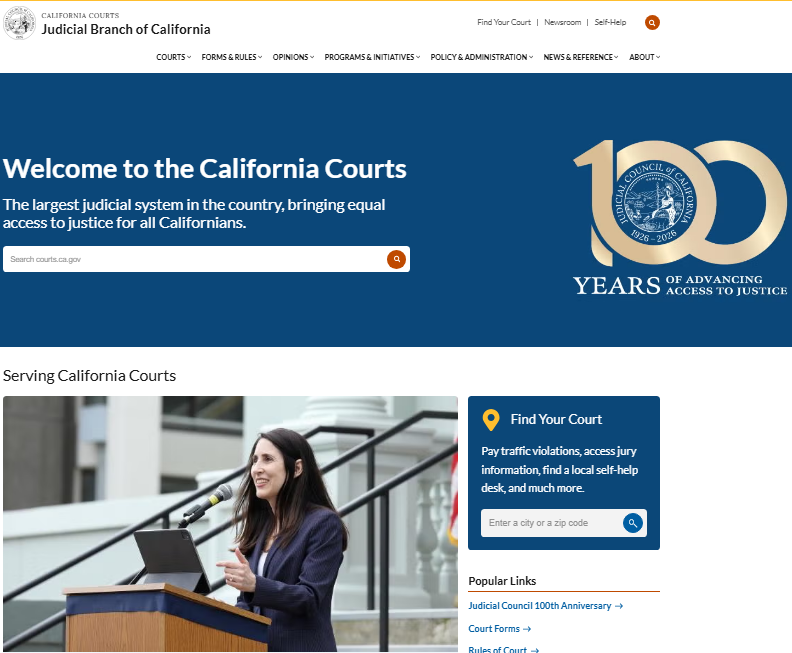
- Click “Case Search” under “Self-Help”
- Enter name or case number
- Select a county from the dropdown
- Click “Search” to view results
Information Available in Search Results
The search results provide specific data points for each case. These include the defendant’s name, case number, filing date, charge description, charge code, court location, and case status. If the case has been resolved, the disposition (e.g., guilty, dismissed, acquitted) is listed. Upcoming court dates and hearing types are also shown. For unlawful sexual intercourse cases, the charge code will reflect Penal Code 261.5 or related statutes. The tool does not display personal details like addresses or social security numbers, protecting privacy while allowing public access to judicial records.
- Defendant’s name
- Case number
- Filing date
- Charge code (e.g., PC 261.5)
- Court location
- Case status and disposition
Limitations and Privacy Considerations
The case search tool has limitations. It does not include juvenile cases, which are sealed by law. Some older cases may not be digitized and are only available in person at the courthouse. Sensitive information, such as victim names or medical records, is redacted. Users should verify information with the court clerk if accuracy is critical. The tool is intended for informational purposes and does not replace official legal advice. Misuse of the data, such as harassment or stalking, is prohibited and may result in legal consequences.
| Data Point | Available? |
| Defendant name | Yes |
| Victim name | No (redacted) |
| Juvenile cases | No (sealed) |
| Medical records | No (confidential) |
(FAQs) About California Age of Consent & Unlawful Intercourse
This Frequently Asked Questions section provides clear answers to some of the most common legal questions related to the age of consent and statutory rape laws in California. It is designed to help readers quickly understand how the law applies in different situations, including minors, age differences, and legal exceptions. Each answer is based on California Penal Code provisions and focuses on how the law is generally interpreted and enforced.
Can a minor legally consent to sex in California?
No, a minor cannot legally consent to sex in California. The age of consent is 18, meaning anyone under that age is considered incapable of giving valid consent under the law. This applies to all forms of sexual activity, including intercourse, oral sex, and sexual battery. Even if a 17-year-old willingly engages in sex with an 18-year-old, the act is unlawful under Penal Code 261.5. The law does not recognize maturity, appearance, or verbal agreement as valid consent. The state treats all minors as vulnerable and in need of protection from sexual exploitation. This strict standard ensures that adults cannot claim ignorance or take advantage of young people. The only exception is if the minor is legally married to the adult with court approval, which is rare. Otherwise, consent is not a defense in statutory rape cases. The law is designed to prevent harm, not punish consensual peer relationships, which is why close-in-age exceptions exist for small age gaps.
What happens if both parties are minors?
If both parties are minors under 18, the situation is legally complex. California law does not criminalize consensual sexual activity between minors of similar age, but it can still be addressed under juvenile court procedures. If one minor is significantly younger, or if there is coercion, the older minor may be charged with unlawful sexual intercourse. However, the focus is often on rehabilitation rather than punishment. Juvenile courts may order counseling, education, or probation instead of incarceration. The law aims to protect minors from exploitation while recognizing that teenage relationships are common. If both are close in age and the act is consensual, charges are less likely. However, if one minor is under 14, the older minor may still face serious consequences. The court evaluates the age difference, nature of the relationship, and presence of force. The goal is to balance protection with fairness, avoiding lifelong penalties for typical teen behavior.
Is there a Romeo and Juliet law in California?
Yes, California has a limited Romeo and Juliet law under Penal Code 261.5(d). It allows for reduced penalties when the minor is at least 14 years old and the adult is no more than three years older. In such cases, the offense may be charged as a misdemeanor instead of a felony. This exception recognizes that teenage relationships are common and should not always result in severe criminal records. However, it does not make the act legal—it only reduces the severity of punishment. The law does not apply if the minor is under 14, if the adult is in a position of authority, or if force was involved. Even with the exception, some convictions may still require sex offender registration. The court has discretion in applying the law and considers the facts of each case. The goal is to protect minors while avoiding overly harsh outcomes for consensual peer relationships.
What are the penalties for statutory rape in California?
The penalties for statutory rape in California depend on the ages of the participants. If the minor is under 16 and the adult is 21 or older, the offense is a felony punishable by 3 to 8 years in prison. If the minor is 16 or 17 and the adult is 21 or older, the sentence ranges from 16 months to 4 years. For smaller age gaps, such as a 17-year-old and an 18-year-old, the charge may be a misdemeanor with up to one year in jail. Fines can reach $1,000 for misdemeanors and higher for felonies. Felony convictions often require registration as a sex offender, which can last 25 years or life. Repeat offenders face enhanced penalties. The court may also impose probation, counseling, or community service. The severity reflects California’s commitment to protecting minors from exploitation. Even consensual acts are punished because minors cannot legally consent.
Can you be charged if the minor lied about their age?
Yes, you can still be charged even if the minor lied about their age. California law treats statutory rape as a strict liability offense, meaning the adult’s belief about the minor’s age is not a full defense. If sexual intercourse occurs and the minor is under 18, the adult can be convicted regardless of whether they were misled. However, a good-faith belief that the minor was over 18 may be used to reduce sentencing or argue for a lesser charge. The court considers factors like the minor’s appearance, documentation, and behavior. But the law places the responsibility on the adult to verify age. This protects minors from exploitation and ensures adults take precautions. The exception is narrow and does not apply in cases involving force, fraud, or abuse of authority. Legal representation is crucial to present this defense effectively.
Does marriage affect statutory rape charges in California?
Marriage can affect statutory rape charges, but only in very limited cases. If a minor is legally married to an adult with court approval, sexual intercourse between them is not considered unlawful under Penal Code 261.5. However, California law severely restricts underage marriage. Minors under 16 cannot marry under any circumstances. Those aged 16 or 17 may marry only with parental consent and a court order, which is rarely granted. The marriage must be legally recognized and registered. If the marriage is invalid or not court-approved, the sexual act remains a crime. This exception is narrow and does not apply to dating relationships, cohabitation, or informal partnerships. The law prioritizes the protection of minors, so marriage is not a common defense. Most statutory rape cases involve unmarried individuals, and marriage does not override the age of consent.